On our itinerary between Lima and La Paz we knew we wanted to spend a
few days in Arequipa. It’s sometimes called “the white city” because
of the beautiful buildings made from the local white “silla” volcanic
rock. The architecture is beautiful in a very Spanish Colonial sort of
way, it reminded me of some of the Andalusian hill towns we visited
while in Spain.
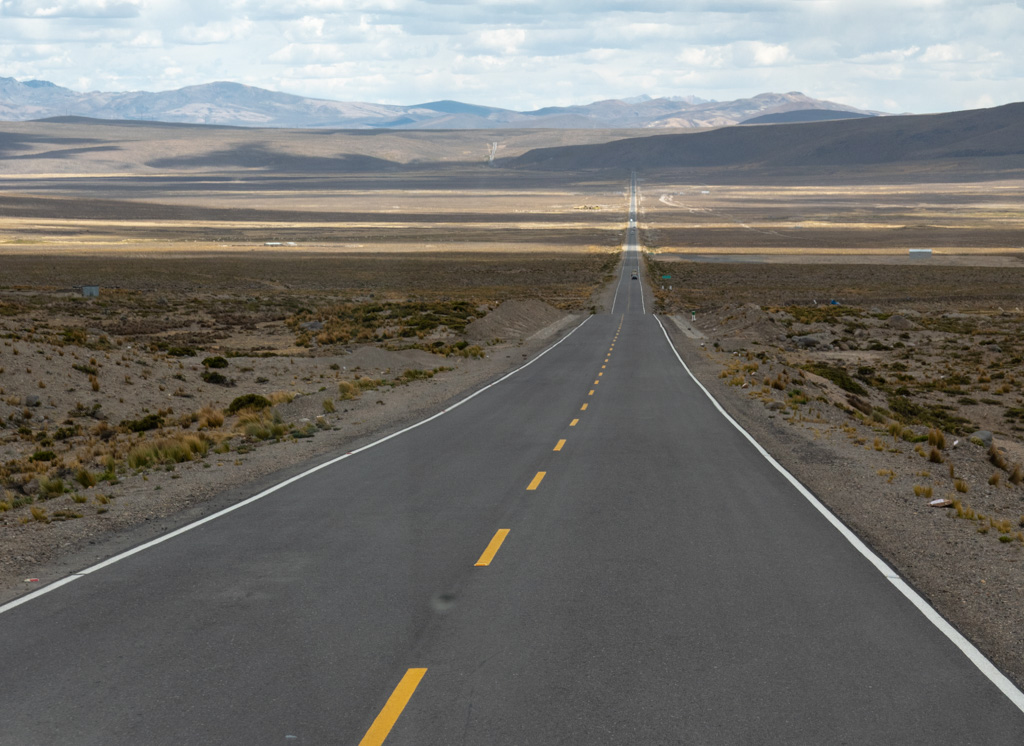
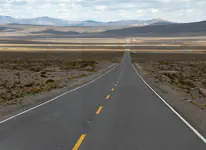
Altiplano highwayI noticed our bus company offered a tour to “Colca Canyon, the second
deepest canyon after the Grand Canyon” which sounded interesting but
not compelling. Until I read the more detailed description. Colca
Canyon is one of the places you can see Andean Condors. Ok, sign us
up!
Colca Canyon
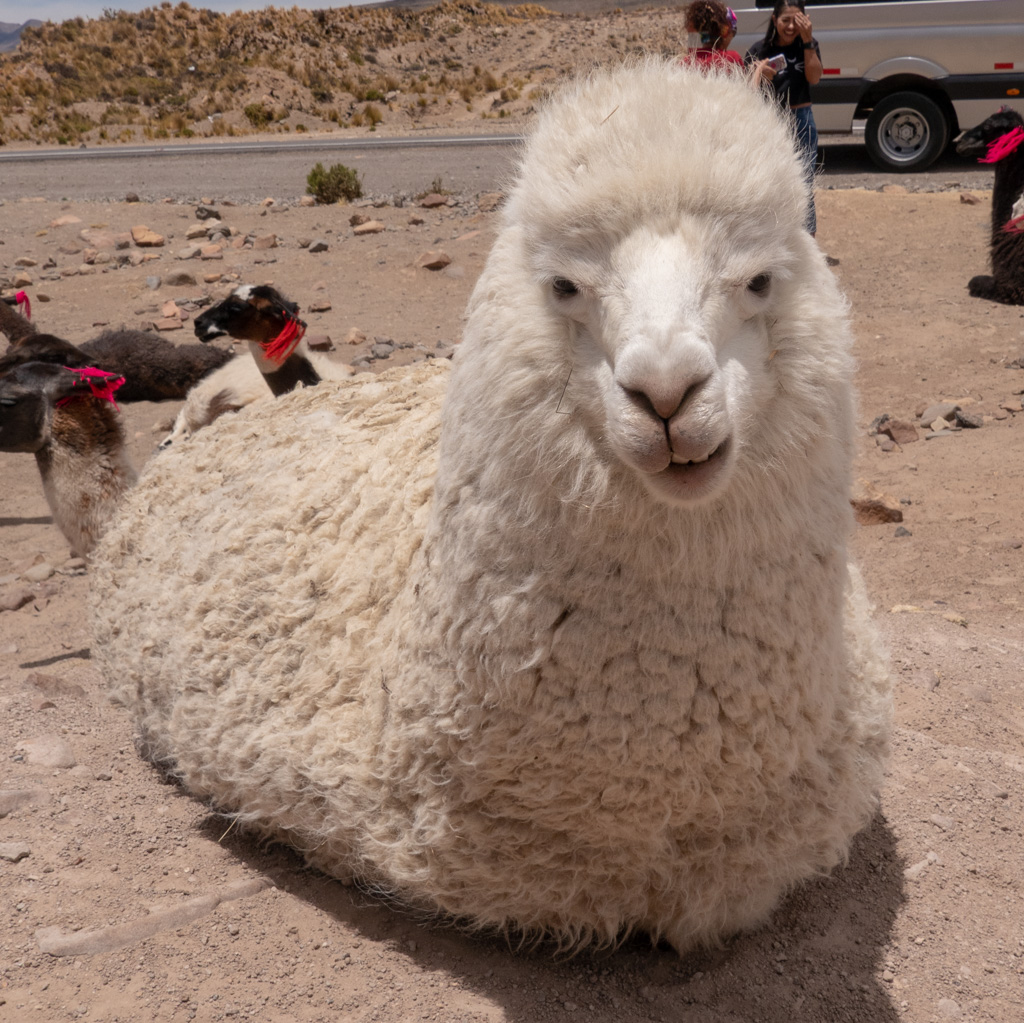
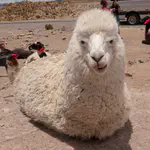
AlpacasThe first day is spent getting to the town of Chivay, in the middle of
the canyon. On the way you travel through the high desert, where we
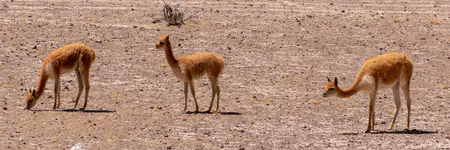
saw the four camelids of Peru, llama, alpaca, vicuña, and guanaco. The
llama and alpaca are domesticated (alpaca look like a cross between a
llama and a sheep, they’re very cute). Vicuña and guanaco are wild,
and it’s unusual to see a guanaco.
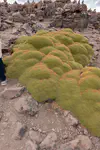
There are some unusual plants as well including one plant that looks
like a moss, but is actually a succulent that grows in a thin hard
layer over rocks. It grows a few centimeters a year for the first few
years, then a millimeter or so a year after that.
Mirador de los Andes
On the way, you pass through Mirador de los Andes or “Andes
lookout.” It’s one of the highest highway passes in the world at 4910
masl (meters above sea level) or 16,100 feet. You definitely feel the
altitude! The guide suggested back in Arequipa that we buy coca leaves
and told us how and when to use them. They definitely help, but you
still feel slow and exhausted at that altitude.
Chivay
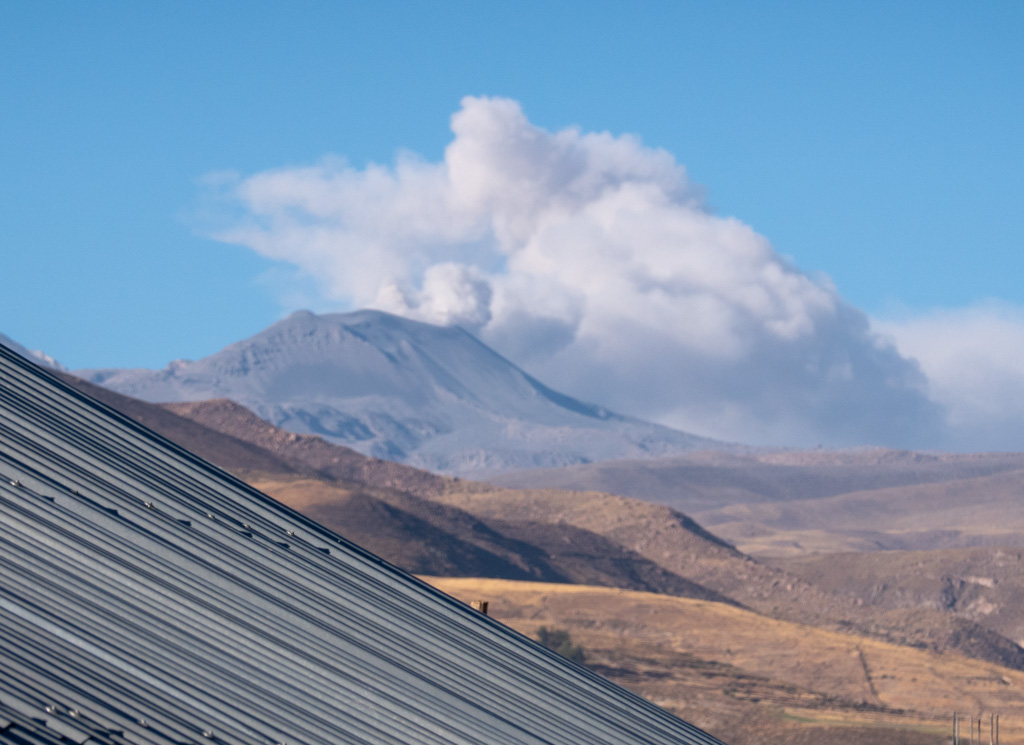
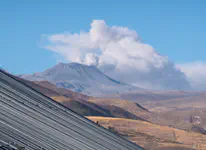
VolcanoChivay is the little town that’s the base for exploring Colca
Canyon. What we hadn’t realized (due to our own lack of planning…) is
that there are thermal hot springs in town! We weren’t going to miss
that, so we went to the local mercado and bought swimsuits and
towels, we were concerned that it might be difficult to find a
swimsuit that fit, but it worked out just fine.
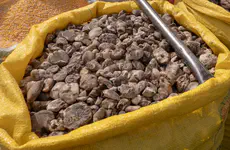
While there we looked for chuñyo, the andean freeze dried
potato. Farmers will freeze harvested potatoes then leave them out in
the sun to dry. The resulting freeze dried potato comes in two forms,
white and black, with the black being harder to digest. Chuñyo can be
used whole or ground (molido) as part of soups or stews. Local
advice is to eat chuñyo for your midday meal to avoid trouble
digesting it as you sleep.
Aguas Termales “La Calera”
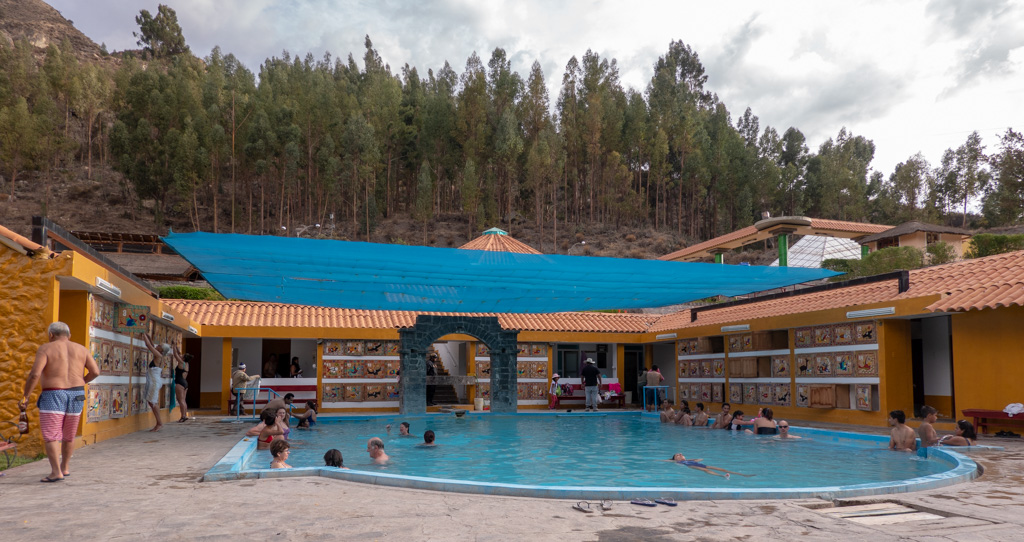
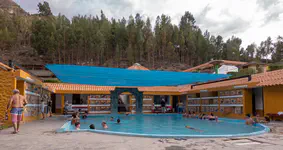
Hot springsWe are huge fans of natural hot springs, having spent time in them in
New Zealand, Japan, Jordan, and Iceland. These were quite nice. The
main outdoor pool was spacious and clean, there were mandatory
showers, lockers for your stuff, changing rooms, everything that you
could want really and the setting was magnificent. Next to a stream,
in the forest, in a canyon. The source emerges at about 80oC and the
main pool is 37-40oC and deep enough to stand with the water up to
your neck.
Colca Canyon
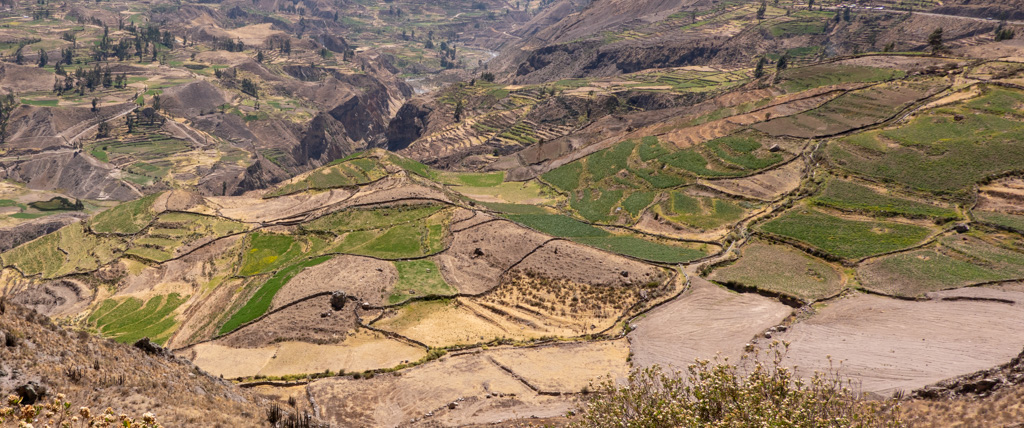
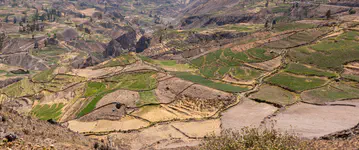
Colca canyon TerracesThe next day we drove down the canyon, stopping at villages and scenic
views along the way. Our guide explained how the valley had been more
actively cultivated in Inca and pre-Inca times, and you could still
see their terraces on the upper reaches of the valley. Those terraces
were not currently being used due to frost and lack of water, but you
could see how this area had been an important food production area
since pre-Inca times.
Condors
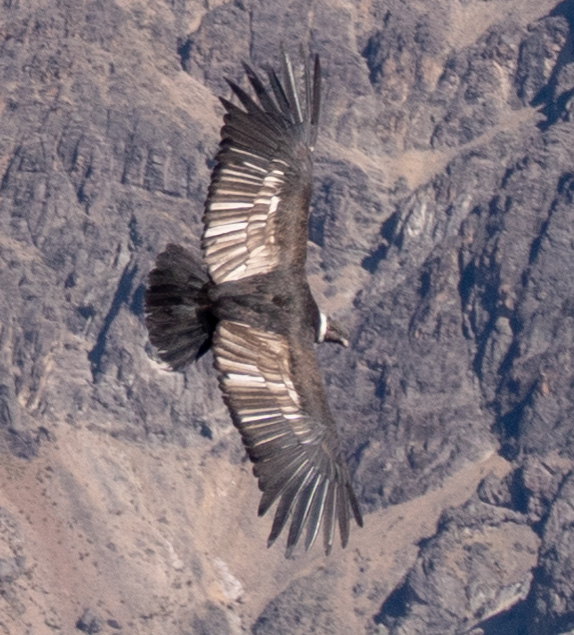
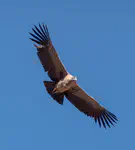
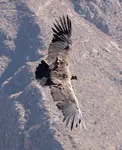
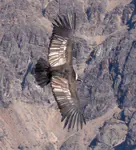
Andean CondorOur guide had been preparing us for the possibility that we wouldn’t
see condors. They don’t always come out since they can go as long as
five weeks between meals. Additionally it was nesting season so they
didn’t come out as much. Apparently the local rangers will seed the
viewpoints with carcasses to encourage the condors to put in an
appearance for the tourists.
Juveniles are all brown, though males may already show the flattened
crest. Subadults will have black in the wings and may have a white
ruff, adults will have a white ruff and white spots in the wing
feathers. Most of the condors we saw were juveniles though there was
one adult.
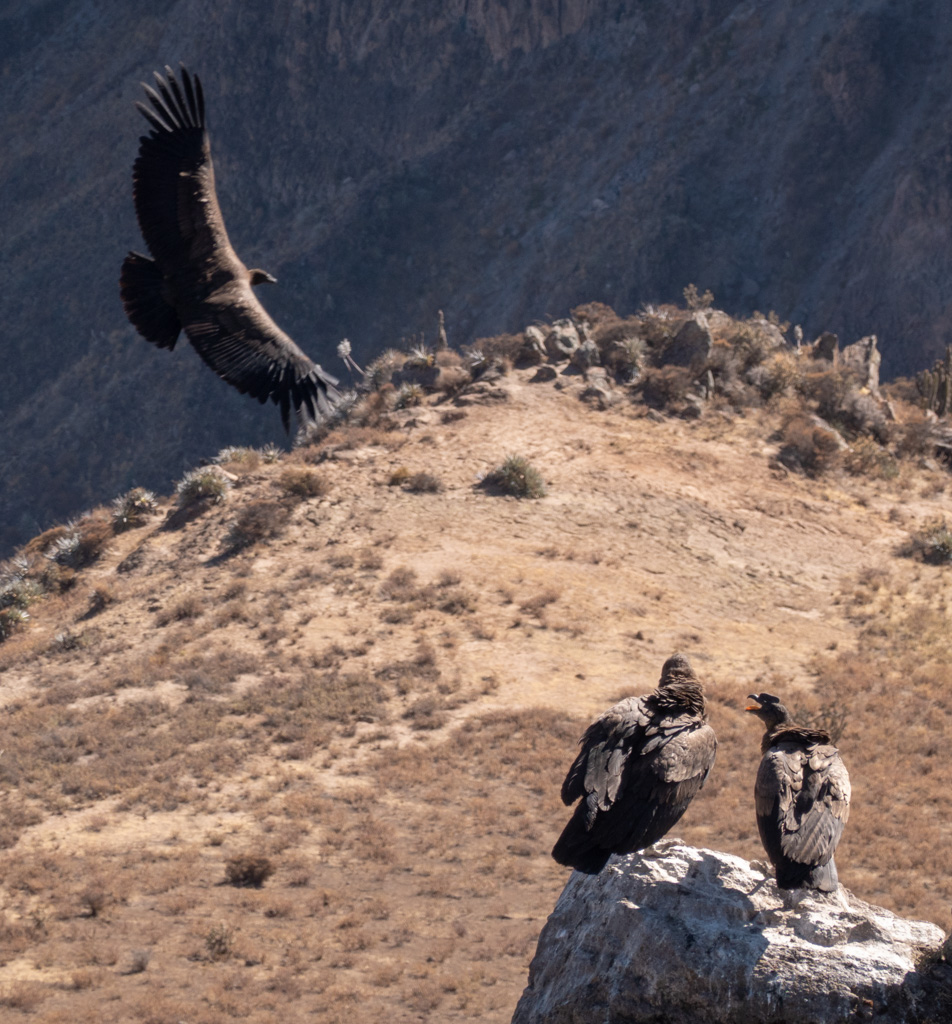
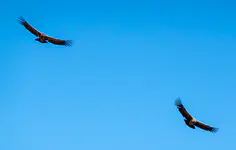
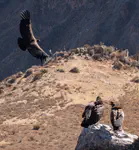
Andean CondorsWe were lucky or maybe there was a recent carcass. We first went to a
lesser used viewing point and there were at least seven condors!
Mostly juveniles, a couple were sitting on a rocky outcrop, but
basically we got to see lots of condors. In March and April you can
see as many as forty condors flying in the canyon, but we felt like
seven was luxurious enough. Afterwards we visited the main Cruz de
Condor (Condor Cross) viewing area where there was one more condor
but it was nothing compared with the first stop.
Other Birds
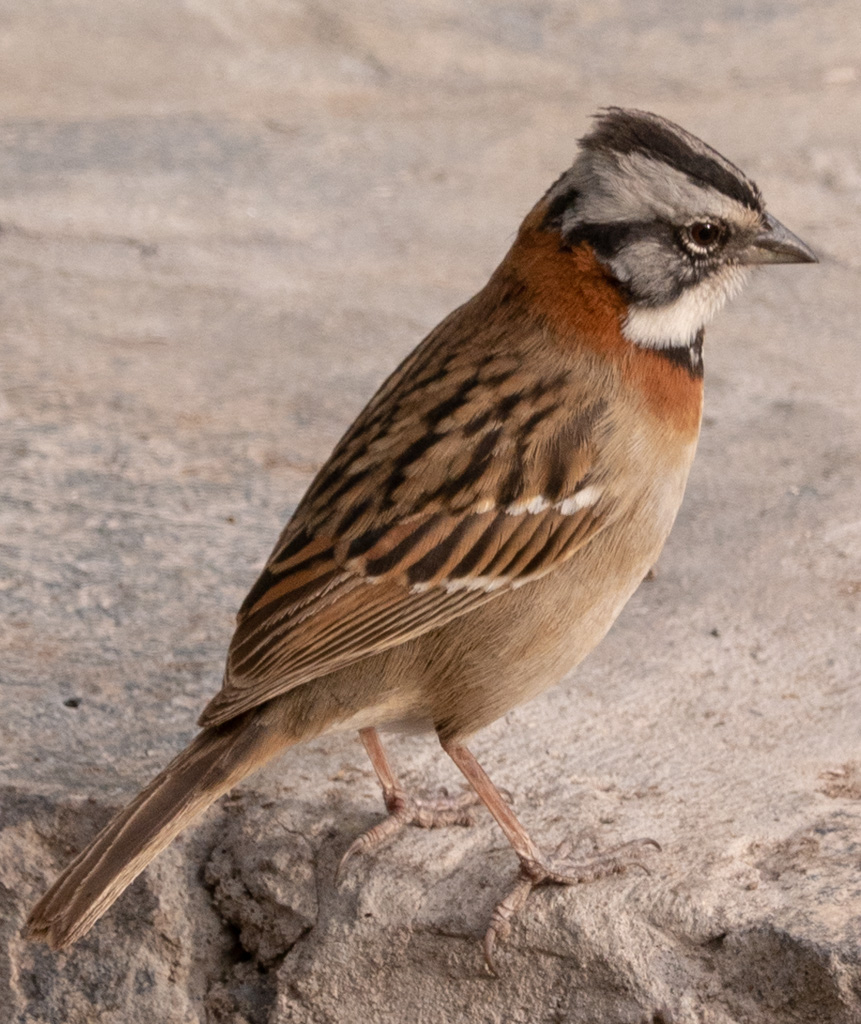
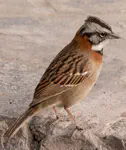
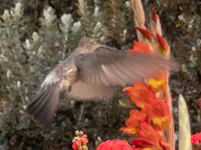
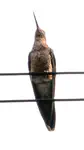
Andean SparrowBesides the Andean Condor (Vultur Gryphus) we also managed to see an
American Kestrel (Falco sparverius), Mountain Caracara
(Phalcoboenus megalopterus), giant hummingbird (Patagona gigas), a
Rufous-collared Sparrow (Zonotrichia capensis) some andean swifts
(Aeronautes andecolus) and andean swallows (Stelgidopteryx
andecola). We also saw coots, ducks, black ibises, and an Andean
eagle called a caracara. Surprisingly to me there’s a lot of wetland
up there.
Cactus Ice cream
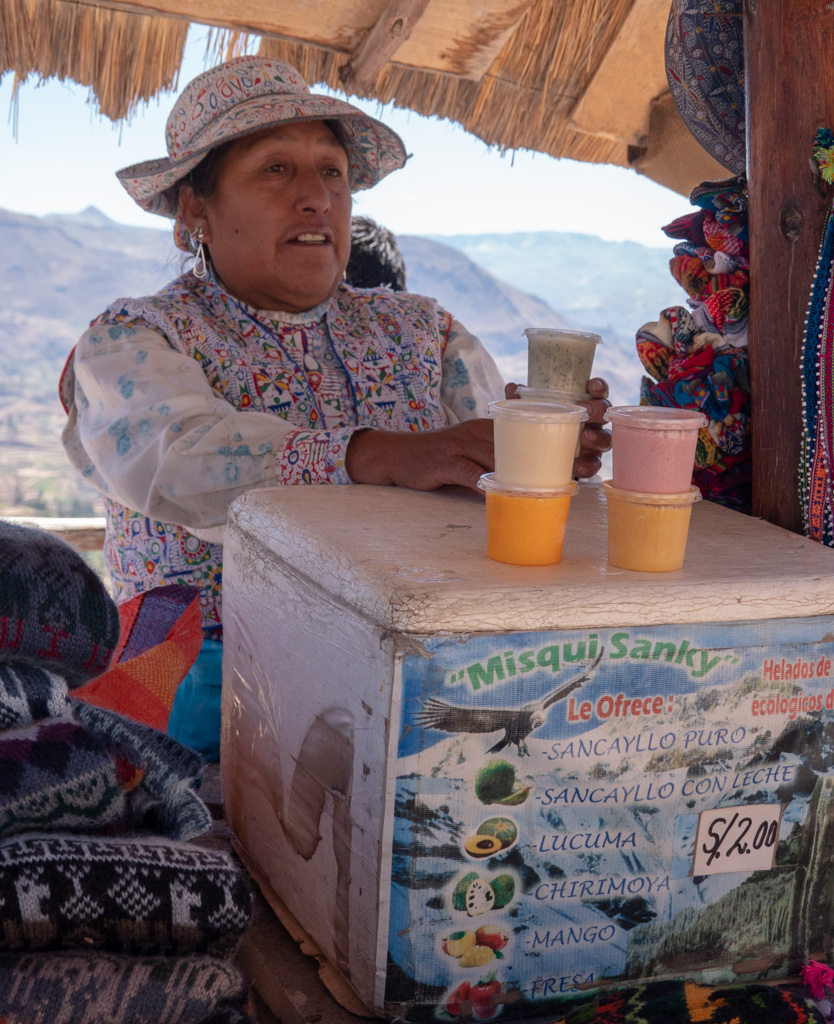
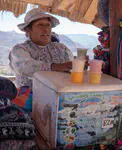
Misqui SankyAt every stop there are local vendors mostly selling the same tourist
items, some handmade alpaca hats and blankets, and local foods. At one
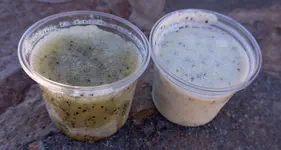
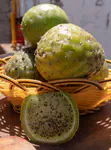
stop, one of the local foods was a Helado de Sancayllo or Sancayllo
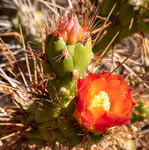
Ice Cream. The sancayllo is more commonly known as sancayo or
“sanky” and is the fruit of a columnar cactus corryocactus
brevistylus. It has a tart flavor and a slightly mucilaginous texture
that makes a delicious granita.
Bottom line
I’m really glad we did this trip. It’s possible to do it as a day trip
out of Arequipa, leaving super early in the morning, and returning
late at night but it would be exhausting. Condors, Hot Springs, and a
new flavor of ice cream - that’s a must see combination for us!
Bonus Videos
Here are two videos of condors flying. The audio has a lot of wind
noise so I’ve muted them, and they’re not particularly well edited or
stabilised. But condors! Flying!