La Mar
La Mar is one of the fanciest, and most expensive, fish places in Lima. La Mar is known for having a great selection of fresh fish, and for preparing it well. Since we wanted to get a good idea of how ceviche was supposed to be prepared, and because La Mar didn’t need bookings, we decided to go for lunch. When we got there, there was no wait at all which was a pleasant surprise. As we walked in we walked past a display of fresh whole fish on ice, which piqued our interest.
Kjolle
Kjolle is the sister restaurant to Central, the most famous restaurant in Lima. It’s the project of Pia León, co-chef and partner with Virgilio Martínez in Central. Despite being co-chef and partner, she usually doesn’t get as much credit. With Kjolle she will hopefully get the showcase she deserves.
It’s a more intimate space, light and airy, and a menu that includes both a la carte and a tasting menu. Apparently she was originally not going to offer a tasting menu at all but I’m glad she did. We got to try a lot more of her dishes. The techniques are impeccable but it feels more personal - the chefs come out to introduce some of the dishes and there’s less pomp and more personal attention. It felt friendlier and welcoming.
Panchita
Panchita is a criollo restaurant, it serves traditional creole Peruvian dishes. Those are typically “people’s” food derived from the food slaves and their descendants ate. There’s a classic repertoire, and it includes a lot of offal and offcuts. Panchita is a bit larger than your typical criollo place, a bit higher quality, but with a tiny bit less character than some of the smaller quirkier places. It’s good for getting an idea of how these dishes “ought” to be made before trying some more interesting places.
Central
Central is a high-end restaurant in Lima, well known for being on the San Pellegrino “Worlds 50 Best Restaurants” list. It’s supposed to be one of the most difficult reservations to get in Lima, but we managed by walking over during the day and asking at the front desk if they had anything open in the next two months. They found a lunch for us in the next week so off we went!
Astrid y Gastón
Astrid y Gastón is the third of the “Pellegrino Top 50” restaurants in Lima, and felt the friendliest and was the most “fun.” It’s in a magnificent colonial building, with a big garden out front filled with vegetables, herbs, and flowers attracting bees and birds. A lovely place to wander around.
Inside it’s much larger than you might think at first, with three separate kitchens (hot, cold, and pastry) and multiple rooms that can seat 200 people for dinner. Lunch is served in the blue room facing the hot kitchen, a bright airy space with hanging plants.
Maido
Maido is Lima’s most famous “Nikkei” style restaurant. Nikkei cuisine is the food of the Peruvian Japanese. Is 500 years long enough for food to stop being “fusion” and become its own thing? Peru has been home to Japanese and Chinese immigrants since the 1500’s and has embraced both cuisines and integrated them into Peruvian cuisine.
Maido is another one of the “Top 50 Restaurants” in Lima, and is just a few blocks from where we’re staying. It has a calm Japanese feel inside, and diners are greeted with a shouted “Maido!” as they enter. There is a traditional sushi bar and tables under a hanging forest of rope.
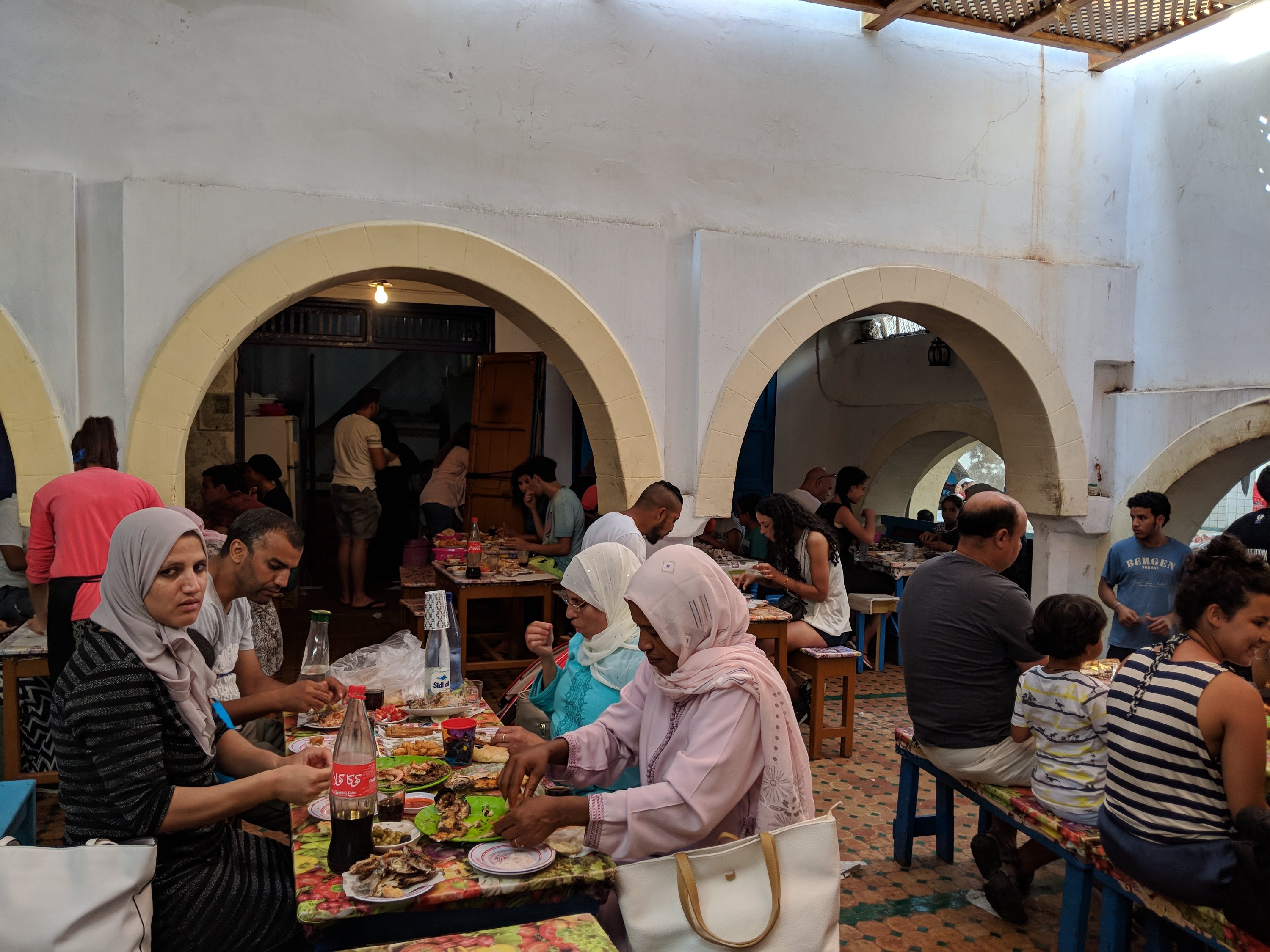
Essaouira fish market lunch
()— title: “Rafael” date: “2018-11-11” categories:
- “restaurants” tags:
- “lima”
- “peru”
- “rafael-osterling” featured_image: “images/Lima-Rafael-Basque-cheese-tart.jpg”
The Chef
Rafael Osterling didn’t start off to be a chef. He was going to be a lawyer. As the son of the leader of one of Peru’s political parties he was trained to be a diplomat. Though he always had a love of cooking and a talent for it, his family discouraged it so he always expected to go into public service. Then came Fujimori’s 1992 autogolpe and everything changed. With his father under house arrest, and tanks outside of their house, a diplomatic career seemed less likely and he was free to pursue his first love.